
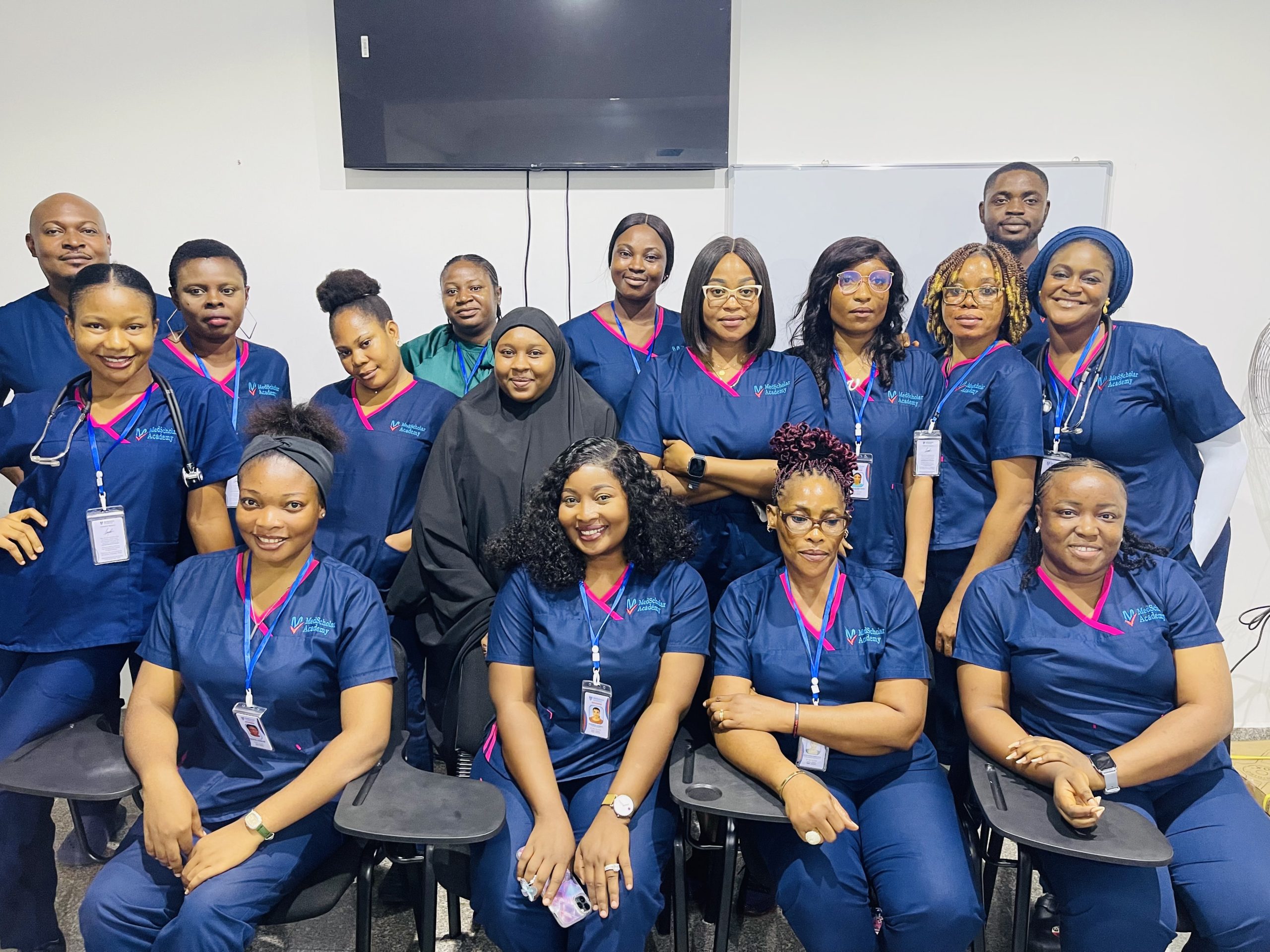
Understanding Nursing Assistant & Healthcare Assistant Career Pathways
Introduction
The healthcare support profession is becoming one of the fastest-growing career paths in Nigeria, with increasing opportunities in hospitals, clinics, home care, NGOs, and international healthcare systems.
Many aspiring healthcare workers are interested in becoming Nursing Assistants or Healthcare Assistants, but there is often confusion about the meaning of both terms and how they apply within Nigeria and internationally.
Understanding these career pathways helps you choose the right training for your goals.
Understanding the Role of Nursing Assistants and Healthcare Assistants
Both Nursing Assistants and Healthcare Assistants are healthcare support professionals trained to assist nurses, doctors, and other medical teams in delivering patient care.
Their responsibilities often include:
- Assisting patients with hygiene and personal care
- Monitoring and recording vital signs
- Helping with feeding and mobility
- Supporting infection prevention and control
- Observing patients and reporting concerns
- Assisting healthcare professionals with routine patient care
In many settings, the titles Nursing Assistant, Healthcare Assistant, Caregiver, and Patient Care Assistant may overlap depending on the employer, country, or healthcare institution.
The Nigerian Healthcare Context
In Nigeria, healthcare support roles exist in many hospitals and care settings, although they are not separately licensed by the Nursing and Midwifery Council of Nigeria (NMCN) in the same way nurses and midwives are regulated.
However, trained support workers are widely employed across:
- Private hospitals
- Clinics
- Home healthcare agencies
- Elderly care facilities
- NGOs and outreach programs
- Community health projects
Because of this, both Nursing Assistant and Healthcare Assistant training remain valuable for employment and practical healthcare work in Nigeria.
Understanding the Difference Between the Terms
Healthcare Assistant
Healthcare Assistant is a broad professional term commonly used for support workers who provide general patient care in hospitals, clinics, and home care settings.
Nursing Assistant
Nursing Assistant is another globally recognized title often used for healthcare support workers who assist directly with nursing-related patient care.
Depending on the country or employer, the same type of role may be called:
- Nursing Assistant
- Healthcare Assistant
- Nursing Aide
- Care Assistant
- Patient Care Technician
This means the difference is often based more on terminology, curriculum focus, and employer preference rather than entirely separate job functions.
Training Pathways Available
- Healthcare Assistant Programme
Ideal for individuals who want broad healthcare support training for:
- Hospitals
- Clinics
- Home care
- NGO/community care settings
- Entry-level healthcare employment
This pathway focuses on practical patient care, healthcare support duties, professionalism, and workplace readiness.
- Nursing Assistant Programme
Ideal for individuals who want training with stronger emphasis on:
- Nursing support responsibilities
- Bedside patient care
- Clinical assistance skills
- Preparation for healthcare systems or employers that use Nursing Assistant terminology
This pathway may be especially useful for those pursuing opportunities where the Nursing Assistant designation is recognized or preferred.
Which Option Is Better?
Neither pathway is “better” than the other—the right option depends on your career goals.
- If you want broad healthcare support skills across multiple care environments, Healthcare Assistant training is an excellent choice.
- If you prefer training tailored more specifically toward nursing-support duties or future opportunities using Nursing Assistant terminology, Nursing Assistant training may suit you better.
Both pathways provide valuable healthcare skills and can open doors to rewarding careers.
Career Opportunities After Training
Graduates may work in:
- Hospitals
- Clinics
- Home healthcare agencies
- Care homes
- NGOs
- Community outreach programs
- Private caregiving services
Some graduates also pursue opportunities internationally, depending on employer requirements and country regulations.
Why Proper Training Matters
Choosing a reputable institution is essential because quality training ensures you gain:
- Real practical competence
- Clinical confidence
- Professional ethics
- Employable healthcare skills
- Industry-recognized certification
Final Thoughts
Becoming a Nursing Assistant or Healthcare Assistant is a great way to start a meaningful healthcare career and make a difference in patients’ lives.
Both roles provide practical entry into the healthcare field and valuable opportunities for career growth locally and internationally.
The key is selecting the pathway that best aligns with your career vision and receiving training from a trusted institution committed to excellence and professionalism.